There is something about stepping outside that quietly shifts how the mind works. Artists have long spoken of nature as a source of renewal — a place where ideas surface more freely and creative blocks dissolve. Science is beginning to catch up. Research from the University of Utah found that spending time in natural environments can improve creative problem-solving by as much as 50%. Whether that means a walk through a forest or an afternoon by the sea, the outdoors has a measurable effect on how we think and create.
What nature does to the creative mind
The brain operates differently outdoors. In urban settings, attention is constantly pulled in competing directions — notifications, noise, movement. Nature, by contrast, offers what psychologists call "soft fascination": gentle, effortless stimulation that allows the mind to wander without pressure. This kind of mental rest is where creative thinking tends to flourish. Connections form between unrelated ideas. Solutions appear without being forced. Many artists describe this state as the closest they get to genuine inspiration.
A tradition stretching back centuries
The relationship between artists and the natural world is not new. The Romantic poets of the 18th and 19th centuries — Wordsworth, Keats, Shelley — wrote extensively about how landscapes shaped their inner lives and their work. The Impressionists took their canvases outside entirely, capturing light and movement in ways that had never been done before. Monet's water lilies, Constable's cloudscapes, Van Gogh's wheat fields — these works were not just observations of nature. They were products of it.
How different environments shape different work
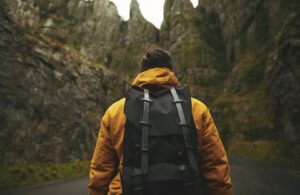
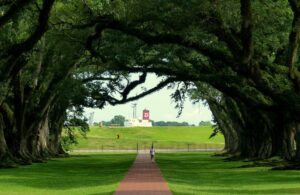
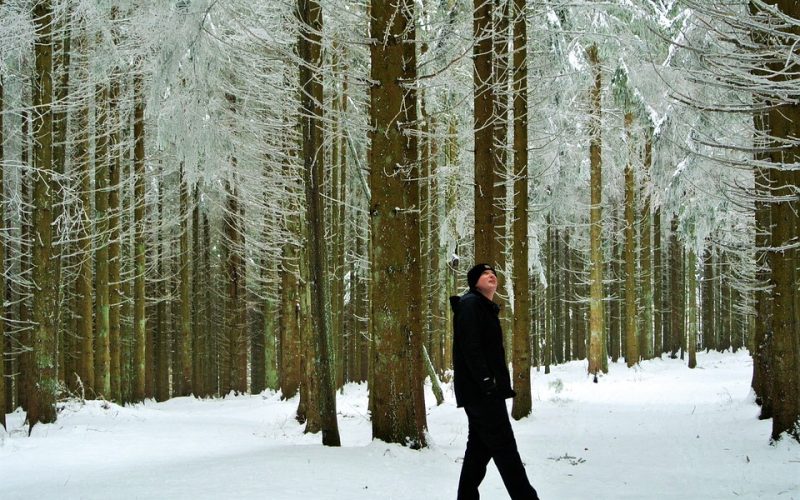
Not all outdoor settings inspire in the same way. Dense forests tend to produce a sense of stillness and interiority, often drawing artists towards themes of solitude and reflection. Open coastal landscapes, with their shifting light and restless movement, tend to unlock bolder, more expressive work. Mountain environments have long been associated with the sublime — a feeling of awe that pushes creative thinking into unfamiliar territory. The environment an artist chooses is rarely accidental. It shapes the emotional register of the work before a single mark is made.
Practical ways artists draw from the outdoors
For many creatives, spending time in nature is not simply a pleasant habit — it is a deliberate part of their practice. Sketching outdoors, even briefly, trains the eye to notice texture, light, and proportion in ways that studio work alone cannot replicate. Writers keep field journals to record sensory details that later find their way into prose. Photographers return to the same location across different seasons, watching how light transforms familiar subjects. These are not grand gestures. They are small, consistent acts of attention that accumulate into something larger over time.
What modern artists are saying
Contemporary artists continue to cite the outdoors as a primary influence. Landscape painter Jeremy Lipking has spoken about how working en plein air — painting outside, directly from the subject — keeps his approach honest and immediate. Author Robert Macfarlane has built an entire body of work around the relationship between landscape and the human imagination. Even artists working in digital or abstract forms often trace their most generative periods back to time spent away from screens and studios, in contact with the physical world.
Finding your own creative landscape
You do not need a dramatic setting to feel the effect. A local park, a garden, or even an open window can be enough to shift perspective and invite new thinking. The key is regularity and genuine attention — arriving somewhere green or open with curiosity rather than distraction. Artists who make this a consistent habit often find that their creative output changes not just in quantity, but in quality. Nature does not hand over ideas directly. What it offers is a particular kind of quiet, and within that quiet, something worth making.